
Diabetic Kidney Disease



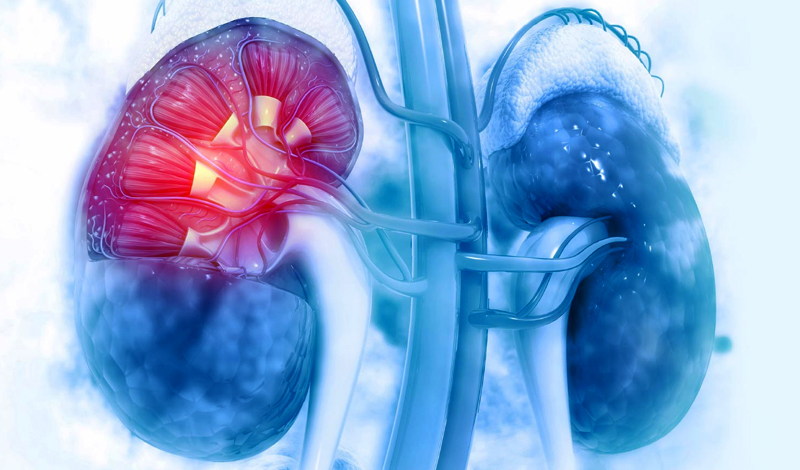
Diabetic Kidney Disease
Diabetic Kidney Disease, also known as diabetic nephropathy, is a common and serious complication of long-standing diabetes. High blood sugar levels gradually damage the kidney’s filtering units, leading to protein loss in urine and a slow decline in kidney function. Early detection and expert nephrology care can significantly slow disease progression and prevent kidney failure.
Causes & Risk Factors
Diabetic kidney disease develops due to:
-
Poorly controlled blood sugar levels
-
Long duration of diabetes
-
High blood pressure
-
Obesity and sedentary lifestyle
-
Smoking
-
Family history of kidney disease
Early Signs & Symptoms
In the early stages, symptoms may be minimal. As the disease progresses, patients may experience:
-
Protein in urine (foamy urine)
-
Swelling of feet, ankles, or face
-
Fatigue and weakness
-
Reduced urine output
-
Uncontrolled blood pressure
Regular screening is essential for early detection.
Diagnosis & Evaluation
Our nephrologist evaluates diabetic kidney disease through:
-
Blood tests (creatinine, eGFR)
-
Urine tests (albumin/protein)
-
Blood pressure monitoring
-
Ultrasound or imaging studies
Staging of the disease helps guide treatment and monitoring.
Treatment & Management
While diabetic kidney disease cannot be reversed, progression can be slowed through:
-
Strict blood sugar control
-
Blood pressure management
-
Medications to reduce protein leakage
-
Dietary modifications
-
Weight management and lifestyle changes
-
Treatment of anemia and electrolyte imbalances
Lifestyle & Dietary Guidance
Personalized care includes guidance on:
-
Kidney-friendly diabetic diet
-
Salt and protein control
-
Regular physical activity
-
Avoidance of nephrotoxic medications
-
Smoking and alcohol moderation
Advanced Disease & Dialysis Planning
In advanced stages, care may include:
-
Close monitoring of kidney function
-
Pre-dialysis counseling
-
Dialysis support when required
-
Kidney transplant evaluation if suitable
Importance of Regular Follow-Up
Regular follow-up helps:
-
Detect progression early
-
Prevent complications
-
Adjust medications and diet
-
Improve long-term kidney outcomes
When to Consult a Nephrologist
Consult a kidney specialist if you have:
-
Long-standing diabetes
-
Protein in urine
-
Declining kidney function
-
Difficult-to-control blood pressure
Why Choose Us for Diabetic Kidney Care
-
Expertise in diabetic nephropathy management
-
Early screening and stage-wise treatment
-
Integrated diabetes and kidney care approach
-
Patient-centered and compassionate care
Our Services
- Acute Kidney Injury
- Chronic Kidney Disease
- Hemodialysis & Peritoneal Dialysis
- Kidney Transplantation
- Kidney Biopsy
- Simple & Complicated UTI
- Kidney Stone Disease
- Hyponatremia & Other Dyselectrolytemias
- Glomerular Diseases
- Diabetic Kidney Disease
- Hypertensive Kidney Disease
- Refractory Hypertension
- Drug Related Kidney Diseases