
Glomerular Diseases



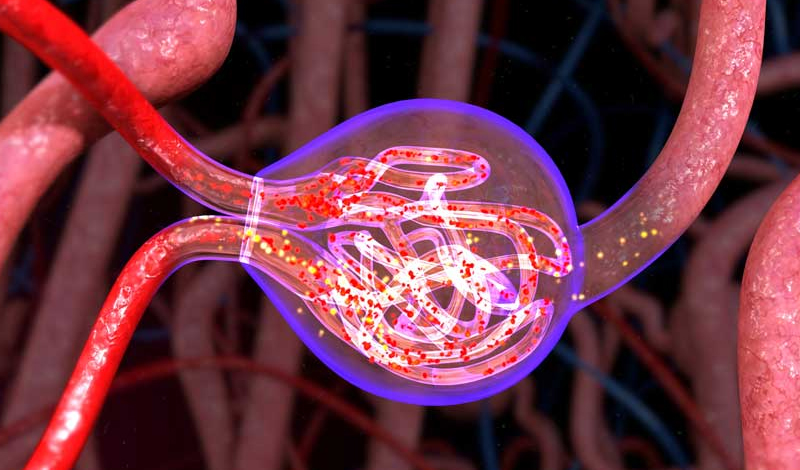
Glomerular Diseases
Glomerular diseases are a group of conditions that damage the glomeruli, the tiny filtering units inside the kidneys. When these filters are affected, the kidneys cannot properly remove waste and excess fluids from the blood, leading to protein or blood in the urine and gradual loss of kidney function. Early diagnosis and specialized nephrology care are essential to prevent permanent kidney damage.
Types of Glomerular Diseases
Glomerular diseases may be acute or chronic and include:
-
Glomerulonephritis
-
Nephrotic syndrome
-
IgA nephropathy
-
Lupus nephritis
-
Post-infectious glomerulonephritis
-
Vasculitis-related kidney disease
Each condition requires targeted evaluation and treatment.
Causes & Risk Factors
Glomerular diseases can occur due to:
-
Autoimmune disorders
-
Infections
-
Diabetes and hypertension
-
Genetic factors
-
Certain medications
-
Systemic inflammatory diseases
Common Symptoms
Symptoms may vary depending on severity but commonly include:
-
Swelling of face, legs, or ankles
-
Foamy urine due to protein loss
-
Blood in urine
-
Reduced urine output
-
High blood pressure
-
Fatigue and weakness
Diagnosis & Evaluation
Accurate diagnosis is crucial and may include:
-
Blood tests and urine analysis
-
Kidney function tests
-
Immunological tests
-
Ultrasound or imaging studies
-
Kidney biopsy for definitive diagnosis
Treatment & Management
Treatment depends on the type and severity of the disease and may include:
-
Immunosuppressive or steroid therapy
-
Blood pressure control
-
Medications to reduce protein loss in urine
-
Dietary modifications
-
Management of fluid and electrolyte balance
Early treatment helps preserve kidney function.
Long-Term Monitoring & Follow-Up
Glomerular diseases often require:
-
Regular kidney function monitoring
-
Ongoing medication adjustments
-
Prevention of disease relapse
-
Monitoring for progression to chronic kidney disease
When to Consult a Nephrologist
Consult a kidney specialist if you have:
-
Persistent swelling or foamy urine
-
Blood in urine
-
Abnormal kidney test results
-
Uncontrolled blood pressure
-
Known autoimmune disease with kidney involvement
Why Choose Us for Glomerular Disease Care
-
Expertise in complex kidney disorders
-
Accurate diagnosis with biopsy guidance
-
Personalized treatment plans
-
Long-term monitoring and patient education
Our Services
- Acute Kidney Injury
- Chronic Kidney Disease
- Hemodialysis & Peritoneal Dialysis
- Kidney Transplantation
- Kidney Biopsy
- Simple & Complicated UTI
- Kidney Stone Disease
- Hyponatremia & Other Dyselectrolytemias
- Glomerular Diseases
- Diabetic Kidney Disease
- Hypertensive Kidney Disease
- Refractory Hypertension
- Drug Related Kidney Diseases