
Hemodialysis & Peritoneal Dialysis



Hemodialysis & Peritoneal Dialysis
Dialysis is a life-saving treatment for patients with advanced kidney failure, where the kidneys are no longer able to effectively remove waste, excess fluids, and toxins from the body. Hemodialysis and Peritoneal Dialysis are two effective dialysis methods that help maintain balance in the body and improve quality of life under expert nephrology care.
What is Hemodialysis?
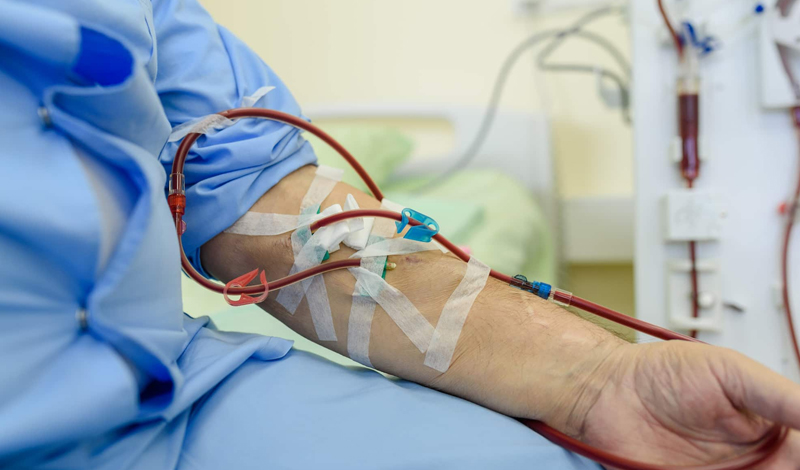
Hemodialysis is a procedure in which blood is filtered outside the body using a dialysis machine. The blood passes through a dialyzer (artificial kidney), where waste products and excess fluids are removed before the purified blood is returned to the body.
Who Needs Hemodialysis?
Hemodialysis is recommended for patients with:
-
End-stage kidney disease (Stage 5 CKD)
-
Severe fluid overload
-
High toxin levels in the blood
-
Acute kidney failure requiring temporary support
How Hemodialysis is Performed
-
Performed at a dialysis center or hospital
-
Usually done 2–3 times per week
-
Each session lasts about 3–4 hours
-
Continuous monitoring by trained dialysis staff
What is Peritoneal Dialysis?
Peritoneal dialysis uses the lining of the abdomen (peritoneum) as a natural filter. A special dialysis fluid is introduced into the abdominal cavity through a catheter, which absorbs waste and excess fluids before being drained out.
Types of Peritoneal Dialysis
-
CAPD (Continuous Ambulatory Peritoneal Dialysis)
-
APD (Automated Peritoneal Dialysis)
Both options allow flexibility and can often be performed at home with proper training.
Benefits of Peritoneal Dialysis
-
Greater independence and mobility
-
Home-based treatment
-
Fewer dietary restrictions
-
Gentle and continuous toxin removal
Choosing the Right Dialysis Option
The choice between hemodialysis and peritoneal dialysis depends on:
-
Overall health condition
-
Lifestyle and work schedule
-
Age and medical history
-
Doctor’s recommendation
Our nephrologist provides personalized counseling to help patients and families choose the most suitable dialysis option.
Dialysis Support & Monitoring
We ensure complete dialysis care through:
-
Regular monitoring of kidney function and labs
-
Blood pressure and fluid balance management
-
Anemia and bone disease management
-
Nutritional and dietary counseling
-
Infection prevention and catheter care
Safety & Hygiene Standards
-
Strict infection control protocols
-
Advanced dialysis machines
-
Trained nephrology and dialysis staff
-
Continuous patient monitoring
When to Start Dialysis
Dialysis may be required when:
-
Kidney function drops below safe levels
-
Symptoms such as breathlessness, swelling, or fatigue worsen
-
Blood tests show high toxin levels
Timely initiation improves outcomes and quality of life.
Why Choose Us for Dialysis Care
-
Experienced nephrologist supervision
-
Personalized dialysis plans
-
Safe, hygienic, and patient-friendly environment
-
Continuous medical and emotional support
Our Services
- Acute Kidney Injury
- Chronic Kidney Disease
- Hemodialysis & Peritoneal Dialysis
- Kidney Transplantation
- Kidney Biopsy
- Simple & Complicated UTI
- Kidney Stone Disease
- Hyponatremia & Other Dyselectrolytemias
- Glomerular Diseases
- Diabetic Kidney Disease
- Hypertensive Kidney Disease
- Refractory Hypertension
- Drug Related Kidney Diseases