
Kidney Biopsy



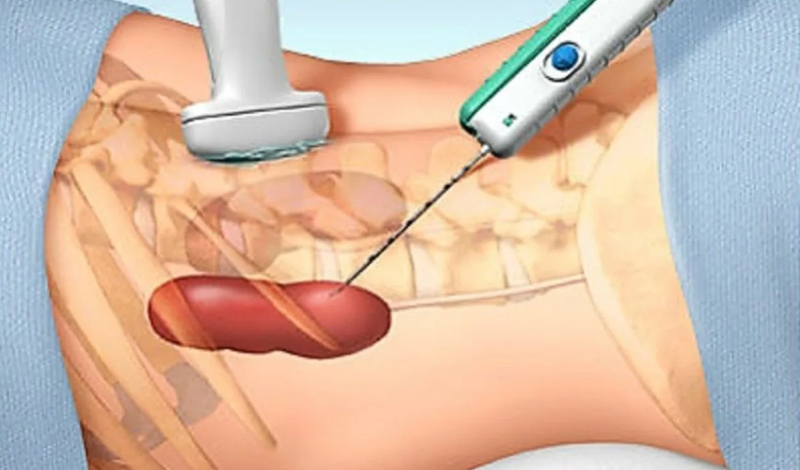
Kidney Biopsy
A kidney biopsy is a diagnostic procedure in which a small sample of kidney tissue is taken and examined under a microscope. It helps the nephrologist accurately identify the type and severity of kidney disease, determine the cause of kidney damage, and plan the most effective treatment.
Why is a Kidney Biopsy Needed?
A kidney biopsy may be recommended to:
-
Identify the cause of unexplained kidney dysfunction
-
Evaluate persistent protein or blood in urine
-
Diagnose glomerular diseases
-
Assess kidney damage severity
-
Monitor transplanted kidney function
-
Guide treatment decisions
Types of Kidney Biopsy
-
Percutaneous Kidney Biopsy: Most common method, performed using a needle under ultrasound guidance
-
Transplant Kidney Biopsy: Performed to assess the function of a transplanted kidney
How the Procedure is Performed
-
Performed under local anesthesia
-
Ultrasound guidance ensures accuracy and safety
-
The procedure usually takes 30–60 minutes
-
Patients are monitored closely after the biopsy
Preparation Before Kidney Biopsy
Patients may be advised to:
-
Undergo blood and urine tests
-
Stop certain medications like blood thinners
-
Maintain fasting as instructed
-
Inform the doctor about existing medical conditions
After the Biopsy
-
Bed rest for several hours
-
Monitoring of blood pressure and urine output
-
Mild discomfort or soreness at the biopsy site is common
-
Most patients can go home the same day or after short observation
Benefits of Kidney Biopsy
-
Accurate diagnosis
-
Targeted treatment planning
-
Avoidance of unnecessary medications
-
Better disease prognosis and management
Risks & Safety
Kidney biopsy is generally safe when performed by an experienced nephrologist. Possible risks include:
-
Mild bleeding in urine
-
Pain at biopsy site
-
Rarely, infection or significant bleeding
Strict safety protocols are followed to minimize risks.
When to Consult a Nephrologist
Consult a kidney specialist if you have:
-
Persistent abnormal kidney tests
-
Unexplained protein or blood in urine
-
Rapid decline in kidney function
-
Suspected glomerular disease
Why Choose Us for Kidney Biopsy
-
Experienced nephrologist supervision
-
Ultrasound-guided precision
-
Safe and sterile environment
-
Close post-procedure monitoring
Our Services
- Acute Kidney Injury
- Chronic Kidney Disease
- Hemodialysis & Peritoneal Dialysis
- Kidney Transplantation
- Kidney Biopsy
- Simple & Complicated UTI
- Kidney Stone Disease
- Hyponatremia & Other Dyselectrolytemias
- Glomerular Diseases
- Diabetic Kidney Disease
- Hypertensive Kidney Disease
- Refractory Hypertension
- Drug Related Kidney Diseases