Kidney Stone Disease



Kidney Stone Disease
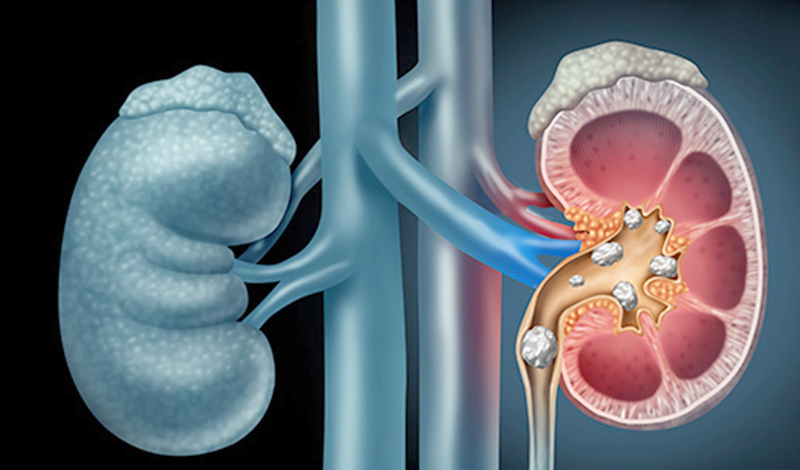
Kidney Stone Disease occurs when hard mineral and salt deposits form inside the kidneys due to concentrated urine. These stones can vary in size and may cause severe pain when they move through the urinary tract. Early diagnosis and proper treatment help relieve symptoms, prevent complications, and reduce the risk of recurrence.
Causes of Kidney Stones
Kidney stones develop due to:
-
Low fluid intake
-
High salt or protein diet
-
Excess calcium, oxalate, or uric acid in urine
-
Recurrent urinary tract infections
-
Family history of kidney stones
-
Metabolic disorders
Types of Kidney Stones
-
Calcium Stones (most common)
-
Uric Acid Stones
-
Struvite Stones (infection-related)
-
Cystine Stones (rare, genetic)
Identifying the stone type helps in preventing recurrence.
Common Symptoms
-
Severe pain in the side, back, or lower abdomen
-
Pain during urination
-
Blood in urine
-
Nausea or vomiting
-
Frequent urge to urinate
-
Fever and chills (if infection is present)
Diagnosis & Evaluation
Our nephrologist evaluates kidney stones using:
-
Ultrasound or CT scan
-
Urine analysis and blood tests
-
Stone analysis (if passed naturally)
-
Metabolic evaluation for recurrent stone formers
Treatment Options
Treatment depends on stone size, location, and symptoms:
-
Increased fluid intake and pain management
-
Medications to help pass stones
-
Medical management for stone dissolution (specific types)
-
Referral for procedures like lithotripsy or surgery when needed
-
Infection control and kidney function monitoring
Prevention & Long-Term Management
Preventing stone recurrence is an important part of care:
-
Adequate daily water intake
-
Dietary modifications (low salt, balanced protein)
-
Medications to prevent stone formation
-
Regular follow-up and urine testing
When to Consult a Nephrologist
Seek medical attention if you have:
-
Severe or persistent flank pain
-
Blood in urine
-
Recurrent kidney stones
-
Fever with stone symptoms
-
Reduced kidney function
Why Choose Us for Kidney Stone Care
-
Accurate diagnosis and metabolic evaluation
-
Personalized treatment and prevention plans
-
Focus on kidney protection and recurrence prevention
-
Coordinated care with urology when required
Our Services
- Acute Kidney Injury
- Chronic Kidney Disease
- Hemodialysis & Peritoneal Dialysis
- Kidney Transplantation
- Kidney Biopsy
- Simple & Complicated UTI
- Kidney Stone Disease
- Hyponatremia & Other Dyselectrolytemias
- Glomerular Diseases
- Diabetic Kidney Disease
- Hypertensive Kidney Disease
- Refractory Hypertension
- Drug Related Kidney Diseases