
Kidney Transplantation



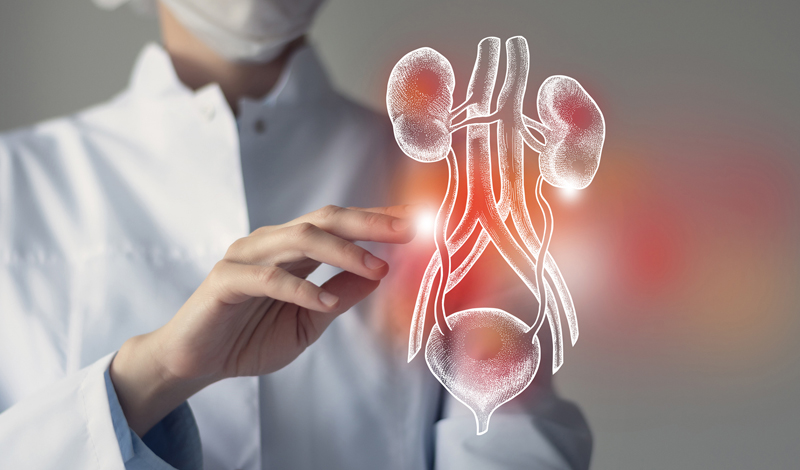
Kidney Transplantation
Kidney transplantation is the most effective long-term treatment for patients with end-stage kidney disease (ESKD), where a healthy kidney from a living or deceased donor is surgically placed to restore normal kidney function. A successful kidney transplant can significantly improve quality of life, reduce dependence on dialysis, and help patients return to a more active, healthier lifestyle.
Who Needs a Kidney Transplant?
Kidney transplantation is recommended for patients who:
-
Have end-stage chronic kidney disease (Stage 5 CKD)
-
Require long-term dialysis
-
Are medically fit for transplant surgery
-
Do not have contraindications such as active infection or cancer
A thorough evaluation is required to determine transplant eligibility.
Types of Kidney Transplant
-
Living Donor Transplant: Kidney donated by a healthy family member or compatible donor
-
Deceased Donor Transplant: Kidney received from a brain-dead donor
Our transplant team guides patients through donor evaluation and legal processes.
Pre-Transplant Evaluation
Before transplantation, patients undergo comprehensive assessment, including:
-
Blood tests and tissue typing
-
Cardiac and pulmonary evaluation
-
Imaging studies
-
Infection screening
-
Psychological and nutritional assessment
This ensures safety and optimal transplant outcomes.
The Transplant Procedure
The transplant surgery involves placing the new kidney in the lower abdomen and connecting it to blood vessels and the bladder. The patient’s own kidneys are usually left in place unless medically required. The procedure is performed by an experienced transplant surgery team under strict sterile conditions.
Post-Transplant Care & Recovery
Post-transplant care is crucial for long-term success and includes:
-
Lifelong immunosuppressive medications
-
Regular monitoring of kidney function
-
Infection prevention and vaccination guidance
-
Blood pressure, sugar, and weight control
-
Dietary and lifestyle counseling
Close follow-up with the nephrologist is essential.
Benefits of Kidney Transplantation
-
Improved quality of life
-
Freedom from regular dialysis
-
Better energy levels and appetite
-
Increased life expectancy
-
Ability to resume work and daily activities
Possible Risks & Complications
While generally safe, kidney transplantation may involve:
-
Risk of infection
-
Rejection of the transplanted kidney
-
Side effects of medications
-
Surgical complications
Our team closely monitors and manages all risks.
Life After Kidney Transplant
With proper care and regular follow-up, most patients lead healthy, active lives after transplantation. Adherence to medications, routine check-ups, and healthy lifestyle choices are key to long-term success.
Why Choose Us for Kidney Transplant Care
-
Experienced nephrologist-led transplant team
-
Comprehensive evaluation and ethical guidance
-
Advanced post-transplant monitoring
-
Patient-centered and compassionate care
Our Services
- Acute Kidney Injury
- Chronic Kidney Disease
- Hemodialysis & Peritoneal Dialysis
- Kidney Transplantation
- Kidney Biopsy
- Simple & Complicated UTI
- Kidney Stone Disease
- Hyponatremia & Other Dyselectrolytemias
- Glomerular Diseases
- Diabetic Kidney Disease
- Hypertensive Kidney Disease
- Refractory Hypertension
- Drug Related Kidney Diseases