
Simple & Complicated UTI



Simple & Complicated UTI
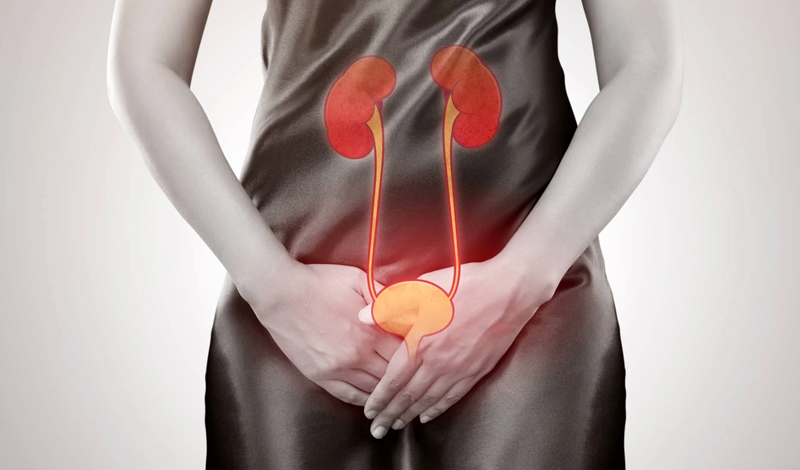
Urinary Tract Infection (UTI) is a common condition caused by bacterial infection of the urinary system, which includes the kidneys, ureters, bladder, and urethra. UTIs can be simple (uncomplicated) or complicated, depending on the severity, underlying conditions, and risk factors. Early diagnosis and appropriate treatment help prevent kidney damage and recurrence.
What is a Simple UTI?
A simple UTI usually affects the bladder or urethra in otherwise healthy individuals with a normal urinary tract. It is more common in women and generally responds well to timely antibiotic treatment.
Common Symptoms of Simple UTI
-
Burning sensation during urination
-
Frequent urge to pass urine
-
Pain or discomfort in the lower abdomen
-
Cloudy or foul-smelling urine
-
Mild fever
Treatment for Simple UTI
-
Short course of antibiotics
-
Adequate fluid intake
-
Symptom relief medications
-
Hygiene and preventive advice
Most patients recover quickly with proper treatment.
What is a Complicated UTI?
A complicated UTI occurs when the infection is associated with underlying health issues or structural problems of the urinary tract. These infections are more severe and may involve the kidneys (pyelonephritis).
Causes & Risk Factors for Complicated UTI
-
Diabetes mellitus
-
Kidney stones
-
Urinary obstruction or enlarged prostate
-
Indwelling urinary catheter
-
Pregnancy
-
Chronic kidney disease
-
Recurrent UTIs
Symptoms of Complicated UTI
-
High fever and chills
-
Severe flank or back pain
-
Nausea or vomiting
-
Blood in urine
-
Reduced urine output
-
General weakness or confusion
Diagnosis & Evaluation
Our nephrologist evaluates UTIs using:
-
Urine routine and culture tests
-
Blood investigations
-
Ultrasound or imaging studies (if required)
-
Kidney function tests
Treatment for Complicated UTI
-
Targeted antibiotics based on culture reports
-
Intravenous antibiotics if needed
-
Treatment of underlying causes (stones, obstruction)
-
Hospitalization in severe cases
-
Close monitoring of kidney function
Importance of Early Treatment
Untreated or improperly treated UTIs can lead to:
-
Kidney infection
-
Sepsis
-
Permanent kidney damage
-
Recurrent infections
Prompt medical care reduces these risks significantly.
Prevention of UTIs
-
Maintain good personal hygiene
-
Drink adequate fluids
-
Avoid delaying urination
-
Manage diabetes and other chronic conditions
-
Follow medical advice for recurrent UTIs
When to Consult a Nephrologist
Consult a kidney specialist if you have:
-
Recurrent UTIs
-
Fever with urinary symptoms
-
UTI with kidney disease or diabetes
-
Poor response to initial treatment
Why Choose Us for UTI Care
-
Accurate diagnosis and targeted treatment
-
Expertise in managing recurrent and complicated UTIs
-
Focus on kidney protection and prevention
-
Patient-centered and compassionate care
Our Services
- Acute Kidney Injury
- Chronic Kidney Disease
- Hemodialysis & Peritoneal Dialysis
- Kidney Transplantation
- Kidney Biopsy
- Simple & Complicated UTI
- Kidney Stone Disease
- Hyponatremia & Other Dyselectrolytemias
- Glomerular Diseases
- Diabetic Kidney Disease
- Hypertensive Kidney Disease
- Refractory Hypertension
- Drug Related Kidney Diseases